Description
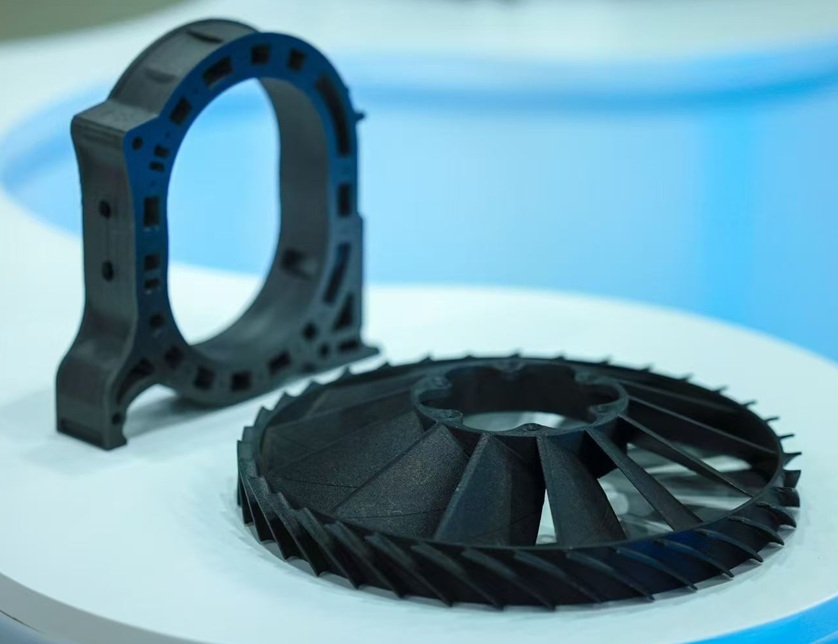
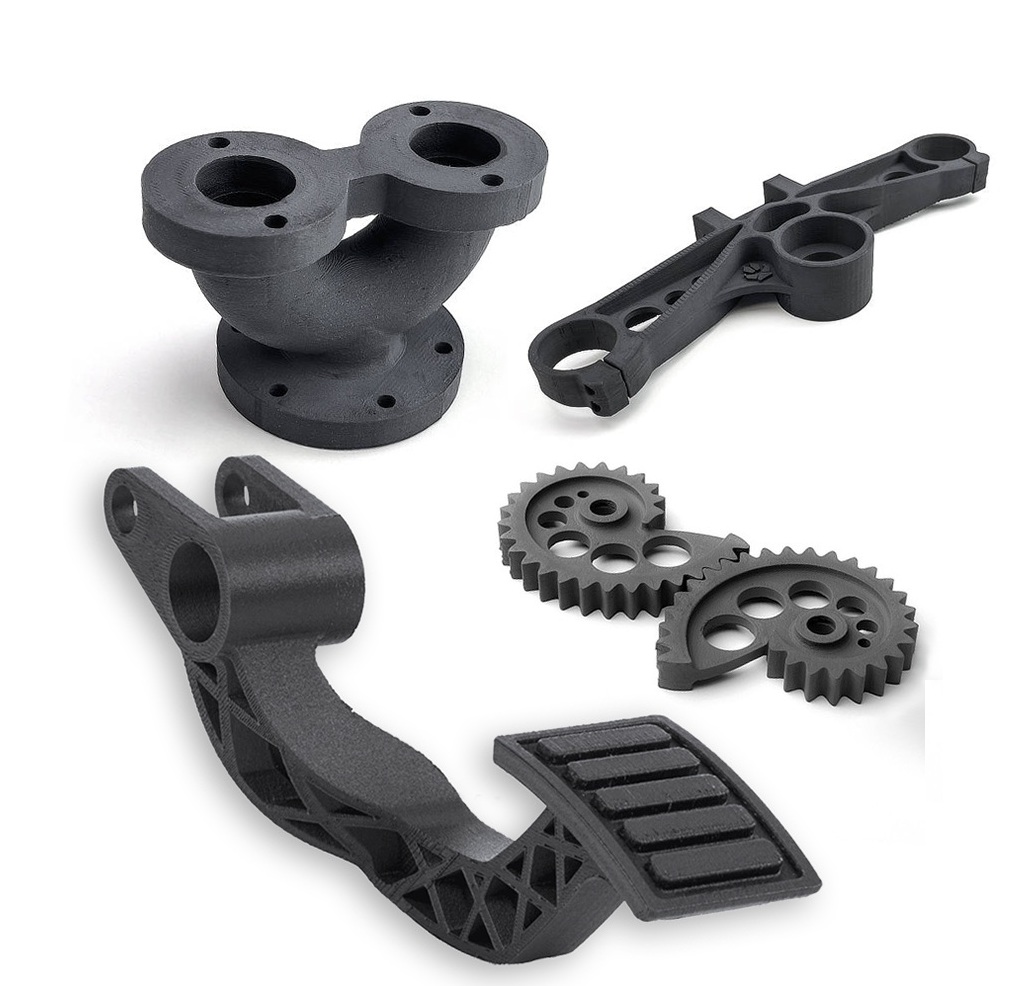
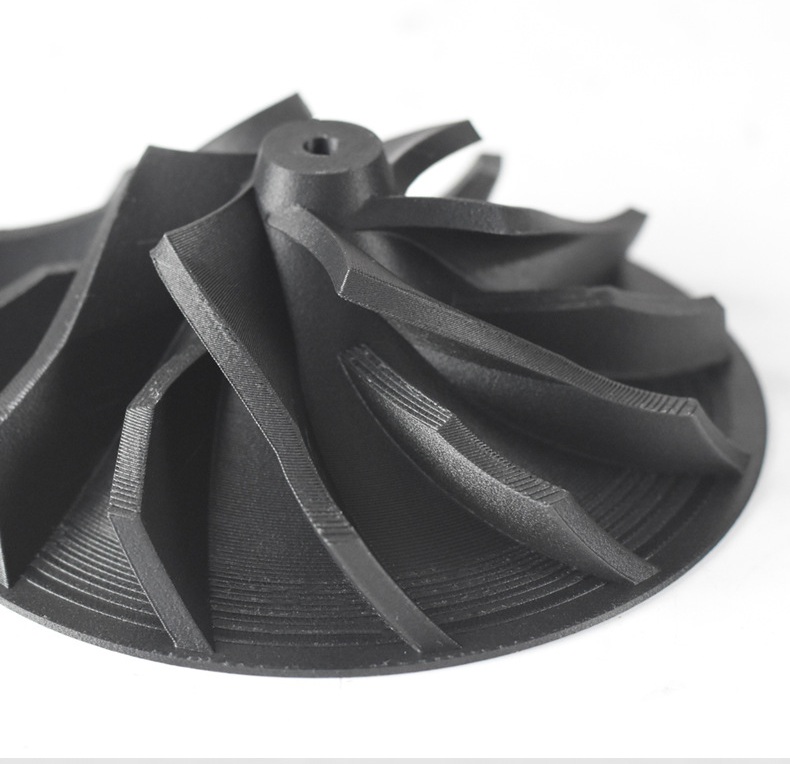
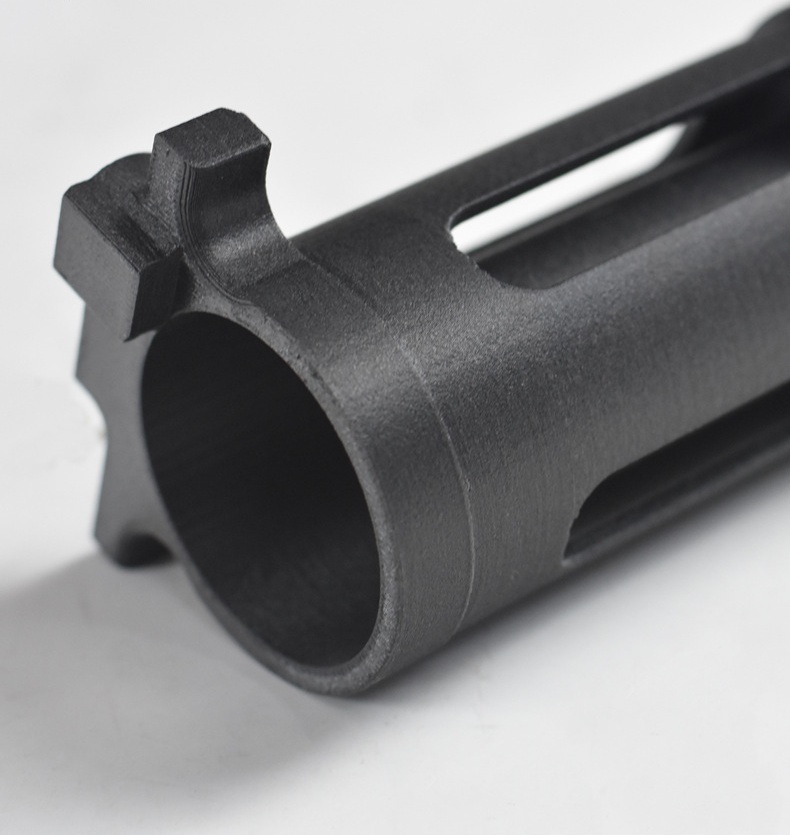
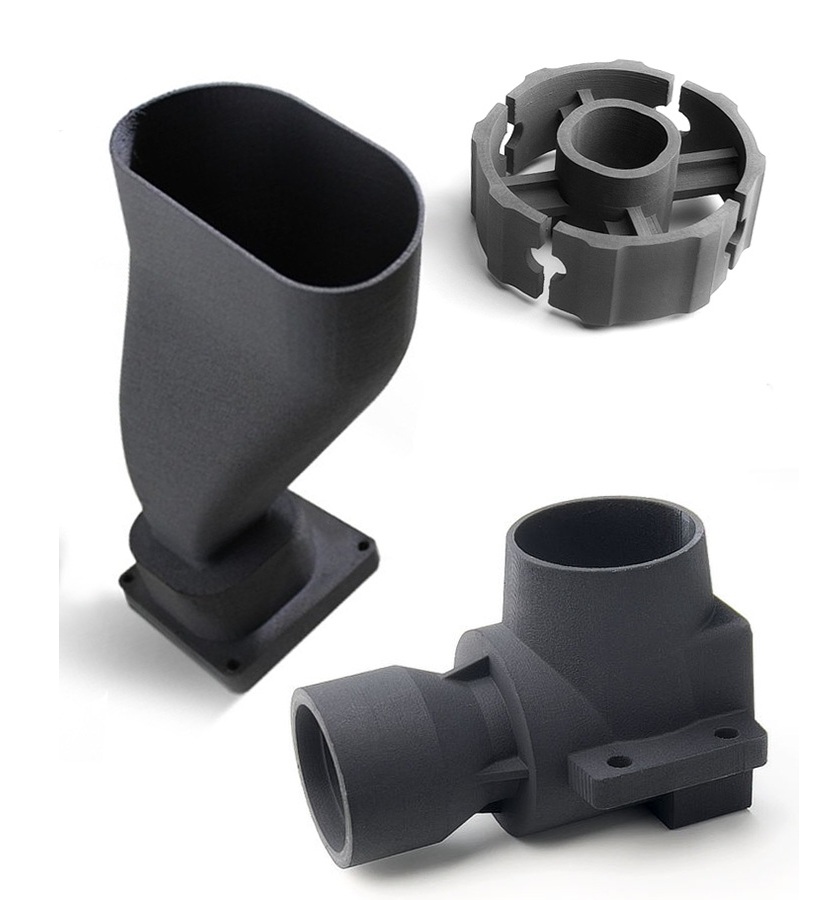
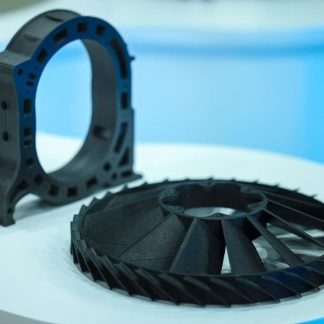
Carbon-fiber reinforced composite materials are among the strongest and most durable in 3D printing. Carbon-fiber reinforced nylon is fast becoming one of the top materials in 3D printing for durable and strong-like-metal end-use parts. Used in everything from air intake manifolds on cars to any type of bracket, housing, or holder, this material enables strong parts in designs not possible with CNC machining and in quantities not affordable through injection molding.
Carbon fiber filament is regular thermoplastic (PLA, PETG, nylon, PC, or PPS) blended with tiny chopped carbon strands. Those strands are what stiffen and lighten the part, but they are also abrasive. Pushed through an ordinary brass nozzle they wear the bore out within a spool or two, so the first requirement is a hardened nozzle: hardened steel at minimum, with tungsten carbide or ruby on higher-end machines.
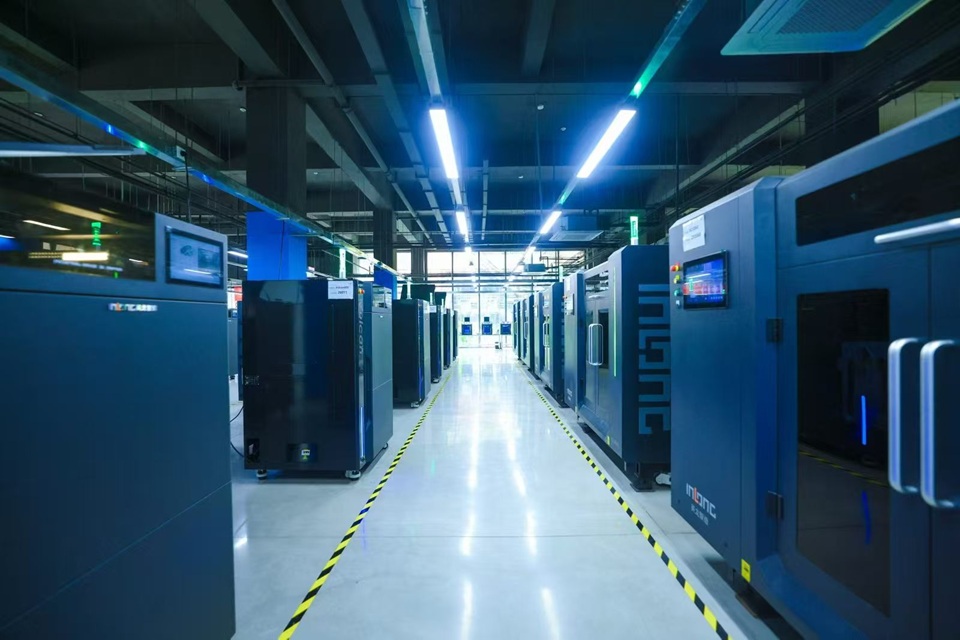
Manufacturing fiber-reinforced polymers, such as carbon fiber parts is a skillful and labor-intensive process used in both one-off and batch production. Cycle time ranges from one hour to 150 hours depending on the size and complexity of the part. Typically in FRP fabrication, the continuous straight fibers are joined in the matrix to form individual plies, which are laminated layer-by-layer onto the final part.
The filament is also stiffer and more brittle than its unfilled cousin, which makes it prone to snapping or grinding in a long, springy filament path. A short, geared direct-drive extruder handles it far more reliably than a Bowtie setup. The third factor is heat management. CF-PLA and CF-PETG print happily on an open machine, but the materials people actually buy a CF printer for, carbon-fiber nylon (PA-CF), polycarbonate (PC-CF), and PPS-CF, warp badly without a stable, warm environment, so an enclosure, and on the more capable machines an actively heated chamber, becomes the deciding feature.
What if you could manufacture parts that are stronger, lighter, and faster to produce than ever before? Carbon fiber 3D printing makes this possible. Thanks to this solution, you can get components that last and truly excel. 3D printing, also known as additive manufacturing, is a process that creates three-dimensional objects from a digital file. This technology builds objects layer by layer, allowing for complex geometries that traditional manufacturing methods cannot achieve.
Combining 3D printing with carbon fiber results in components that are not only strong and lightweight but also customizable and cost-effective. 3D printing allows for greater design freedom. Engineers can create complex shapes and structures that would be impossible or prohibitively expensive to manufacture using traditional methods. This flexibility enables the production of parts that are optimized for performance and functionality.
There is strong demand for workflows that combine the strength, durability, and ruggedness of traditional carbon fiber parts with the agility, geometric possibilities, and repeatability of 3D printing. It’s therefore not surprising that there are many 3D printing companies that offer carbon fiber 3D printing, with the two currently available processes being printing with chopped fibers or continuous fibers.
Using chopped carbon fibers, Nylon 11 CF Powder for the Fuse 1+ 30W selective laser sintering (SLS) industrial 3D printer enables manufacturers to create strong, lightweight, and heat-resistant parts, without relying on traditional overlay or machining methods.
Carbon fiber is a lightweight, high-strength material that is ideal for aerospace applications. Its unique properties include:
-
High tensile strength: Carbon fiber is much stronger than steel, making it suitable for structural components.
-
Low weight: This material is significantly lighter than metals, which helps improve fuel efficiency in aircraft.
-
Corrosion resistance: Carbon fiber does not corrode, ensuring longevity and reliability in harsh environments.
3D-Printed Carbon-Fiber Components for Aerospace Applications
The aerospace industry is constantly evolving, driven by the need for lighter, stronger, and more efficient materials. One of the most exciting developments in this field is the use of 3D-printed carbon-fiber components. This technology not only enhances the performance of aircraft but also reduces manufacturing costs and time.
Traditional manufacturing processes can be time-consuming, often requiring weeks or months to produce components. In contrast, 3D printing can significantly shorten production times. For instance, a component that might take several weeks to machine can be printed in just a few days. This speed is crucial in the aerospace industry, where time-to-market can be a competitive advantage.
Composite materials, such as carbon fiber-reinforced plastics, are highly versatile and efficient materials, driving innovation in various markets from aerospace to healthcare. They outperform traditional materials such as steel, aluminum, wood, or plastic, and enable the fabrication of high-performance lightweight products.
Carbon-Fiber Filament
- CF-PLA is the easy entry: stiffer and better-looking than plain PLA, with a matte finish, and it prints on any machine here. Decorative and light-duty.
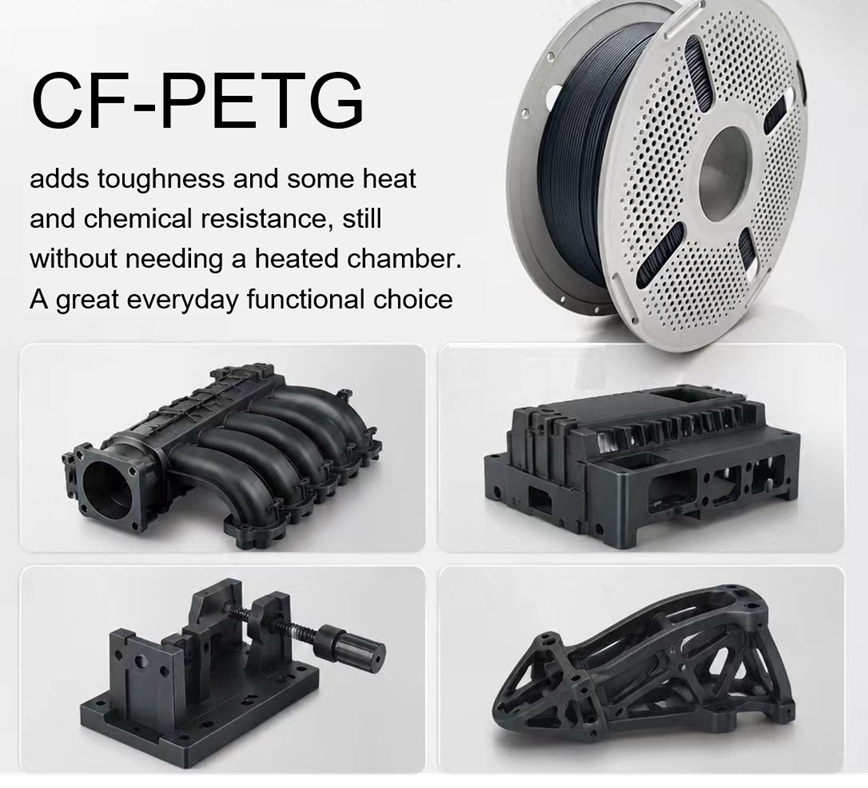
- CF-PETG adds toughness and some heat and chemical resistance, still without needing a heated chamber. A great everyday functional choice.
- PA-CF (carbon-fiber nylon) is where real engineering parts begin: strong, tough, heat-resistant, and the reason to want a heated chamber and a good dryer. Warps without one.
- PC-CF (carbon-fiber polycarbonate) raises heat resistance and stiffness further, and is firmly heated-chamber territory.
- PPS-CF is the high end: chemical and heat resistance approaching engineering-grade, needing the hottest nozzle and a stable chamber (the Plus4, H2D, or E2CF tier). It is also the most demanding material here, prone to warping and fiddly to dial in even on those machines.
Carbon-fiber-infused nylon is available in filament form for FDM 3D printing, as a powder for selective laser sintering (SLS) 3D printing, and there’s also continuous carbon fiber (CCF) 3D printing which involves using a dual-extruding 3D printer to imbed an unbroken band of carbon fiber inside the molten nylon material.
Prized for its ability to create engineering-grade polymer parts with excellent mechanical properties and fine resolution incredibly fast, SLS 3D printing is what engineers and industrial designers turn to for functional rapid prototypes and end-use parts. SLS 3D printing uses high-powered lasers to fuse powdered plastic material, usually nylon, together into 3D shapes. It can create parts that are finely detailed, strong, durable, heat resistant, and flexible (when needed) all at once. SLS also offers a high degree of predictability in material and mechanical properties, so it’s popular in aerospace, medical, and regulated industries. Furthermore, SLS printing is mostly support-free, which expands your ability to design and produce very complex geometries and cut down on post-processing time removing those supports. Multi Jet Fusion (MJF) from machine and material HP is also a commonly used technology for jigs and fixtures, but there are no carbon-fiber materials available for MJF. Instead, MJF offers a glass-bead infused nylon 12 in addition to other nylon materials.
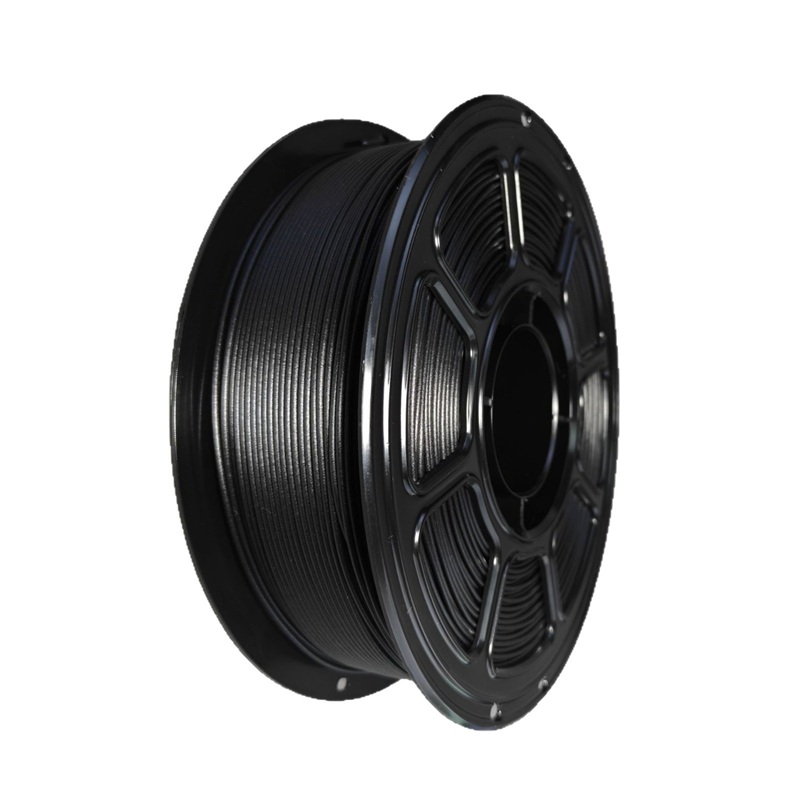
Carbon fiber filament provides enhanced strength, stiffness, and durability while remaining lightweight. Ideal for high-performance parts in aerospace, automotive, and manufacturing, it reduces weight without sacrificing strength. Its thermal stability and wear resistance make it perfect for creating robust, long-lasting components, whether for professional use or DIY projects.


Reviews
There are no reviews yet.