- High Efficiency – Minimized energy loss for optimal performance
- Scalability – Easily expandable systems tailored to your needs.
- Durable and Reliable – Built for long life cycles in diverse environments.
Applications:
- Grid Storage – Support peak demand and stabilize energy supply
- Backup Power – Ensure seamless operation during outages.
- Renewable Integration – Store solar or wind energy for later use or portable charging
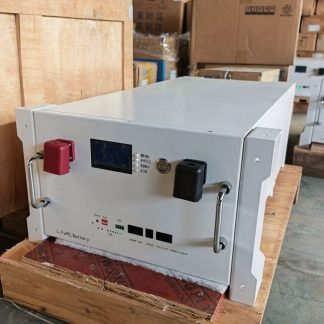
Energy storage battery systems are playing an important role in updating our energy systems. They enable us to boost the reliability of the grid by effective use of renewable energy sources. By storing energy generated for later use, these systems reduce peak demand on the grid. Energy storage also provides back up power during outages, and so further increases the efficiency of renewable energy sources. Energy storage is becoming a vital part in creating a sustainable and resilient energy landscape.
Lithium-ion batteries Vs Sodium-ion batteries
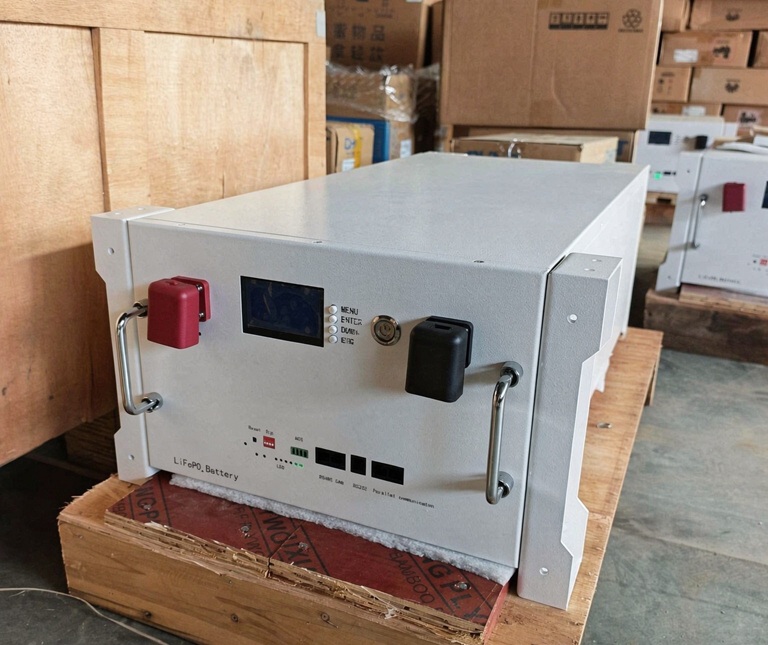
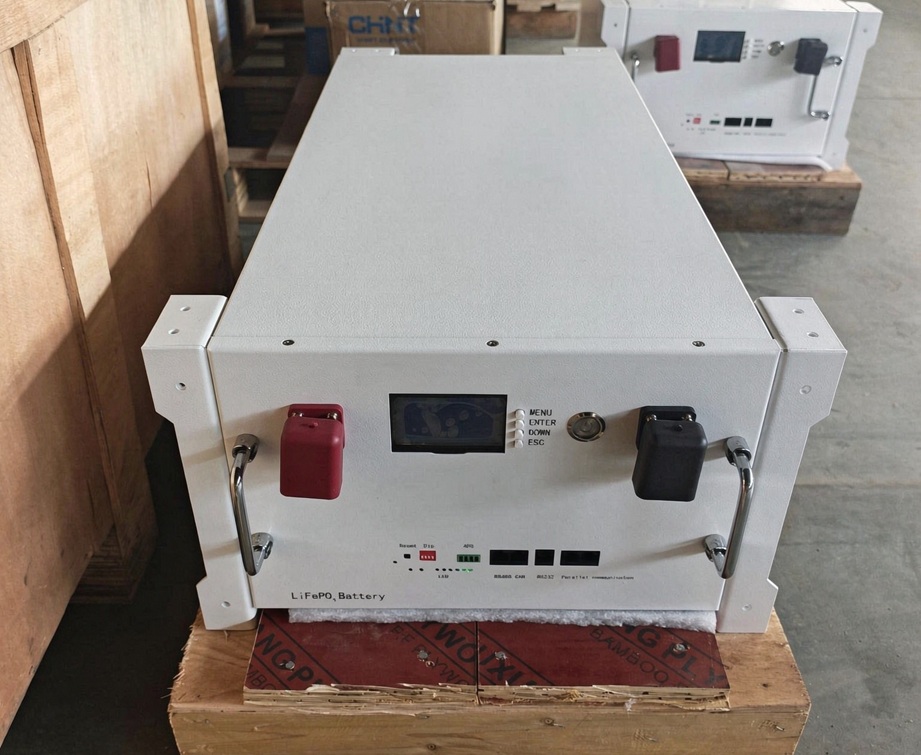
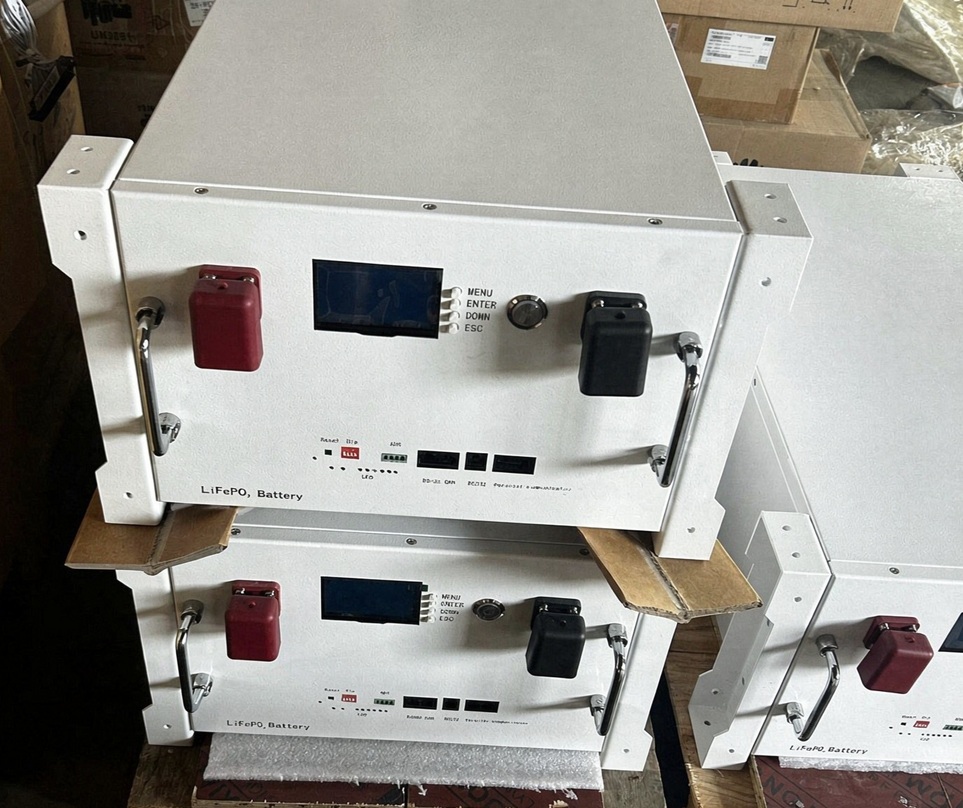
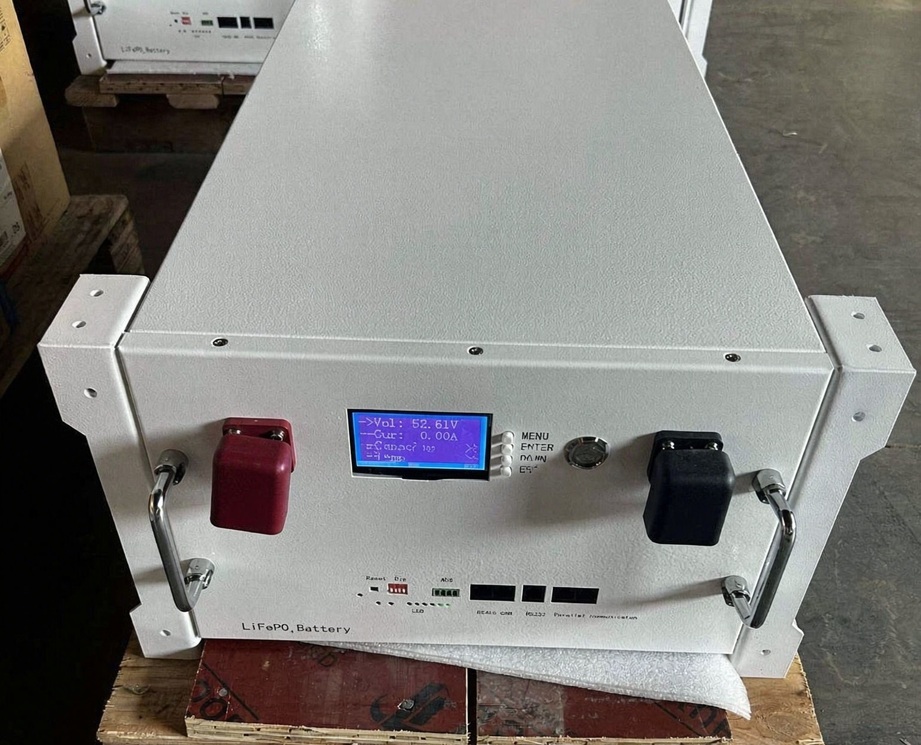
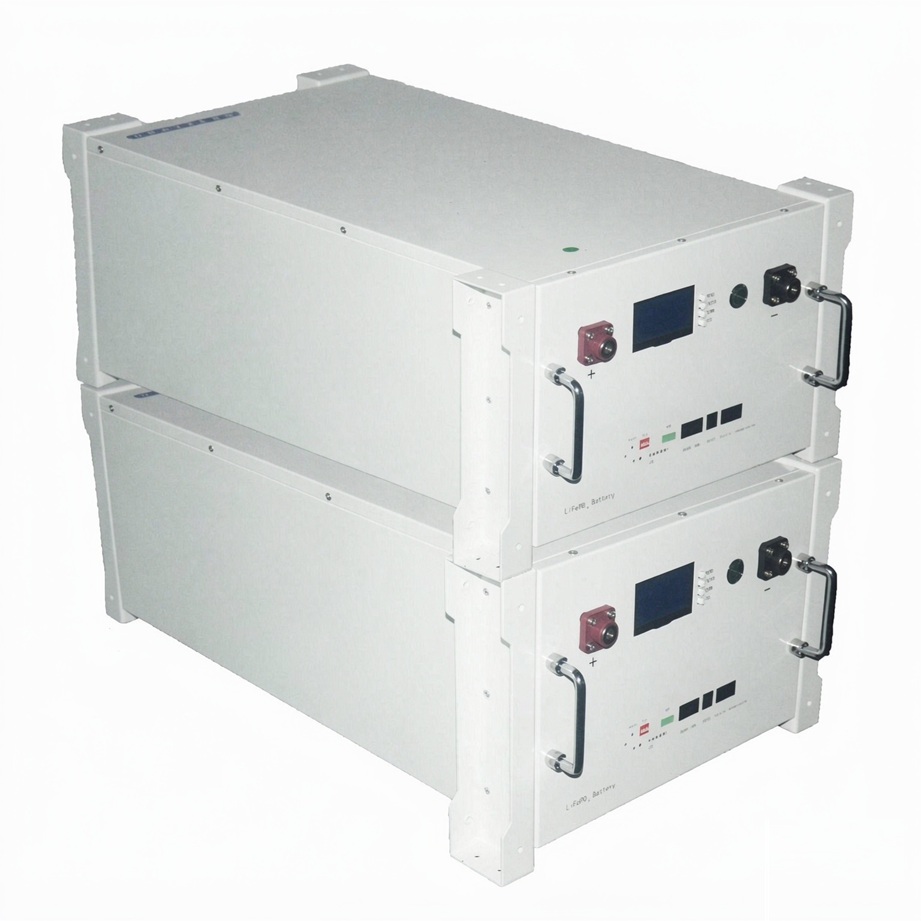
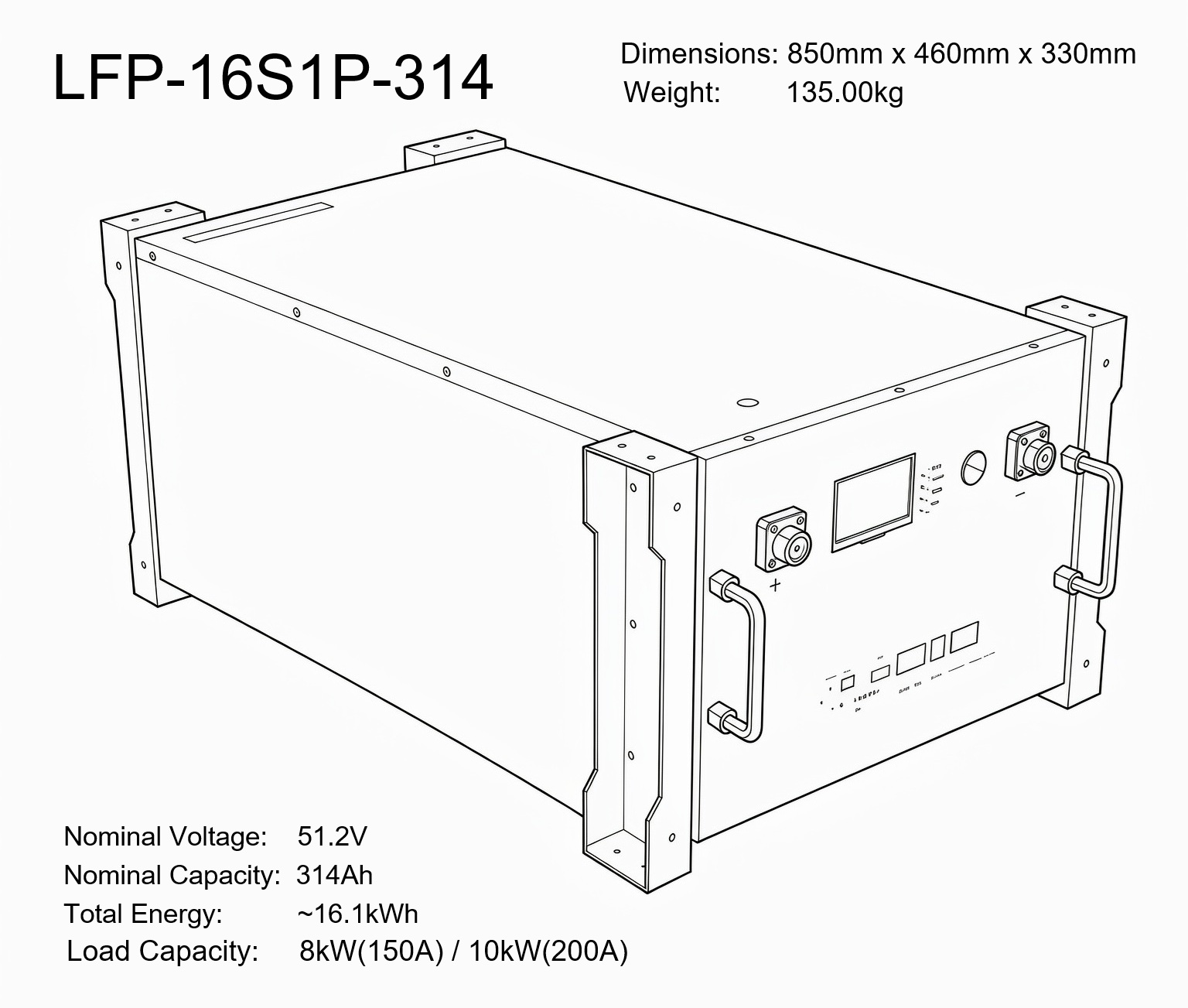
Lithium-ion batteries is the most used option for energy storage thanks to their high energy density, efficiency and affordability. You’ll find them everywhere, from your smart devices to electric cars and even in the massive grid storage systems. The most popular type is Lithium Iron Phosphate (LFP) batteries, they are especially good for stationary storage because of their safety advantages as well as being long lasting, and budget friendly. Also, LFP batteries have a lower risk of thermal runaway, which makes them a great choice for home and grid use.
Sodium-ion batteries
These are starting to gain ground as a viable substitute for lithium-ion tech in some applications. They use sodium in the cathode, which will lead to lower costs and better safety. Although they do not have as high power density compared to lithium batteries, their durability and low temperature performance could make them the preferred option in large scale energy storage if space and weight are not constraints. Ongoing research targets increasing their performance and making them more commercially viable.
The development of battery technologies is a key part in the global shift to sustainable energy systems. Different versions of batteries come with their own advantages and are created for multiple uses in energy storage. Continuous research, tech improvements, and smart investments are essential to tackle current problems and unlock the full potential of battery energy storage for a strong and clean energy future.

Reviews
There are no reviews yet.