Description
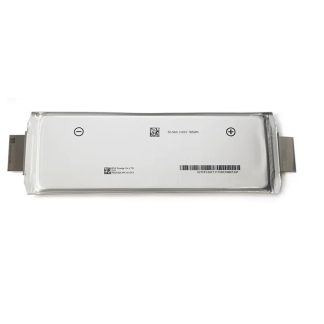
Pouch cell
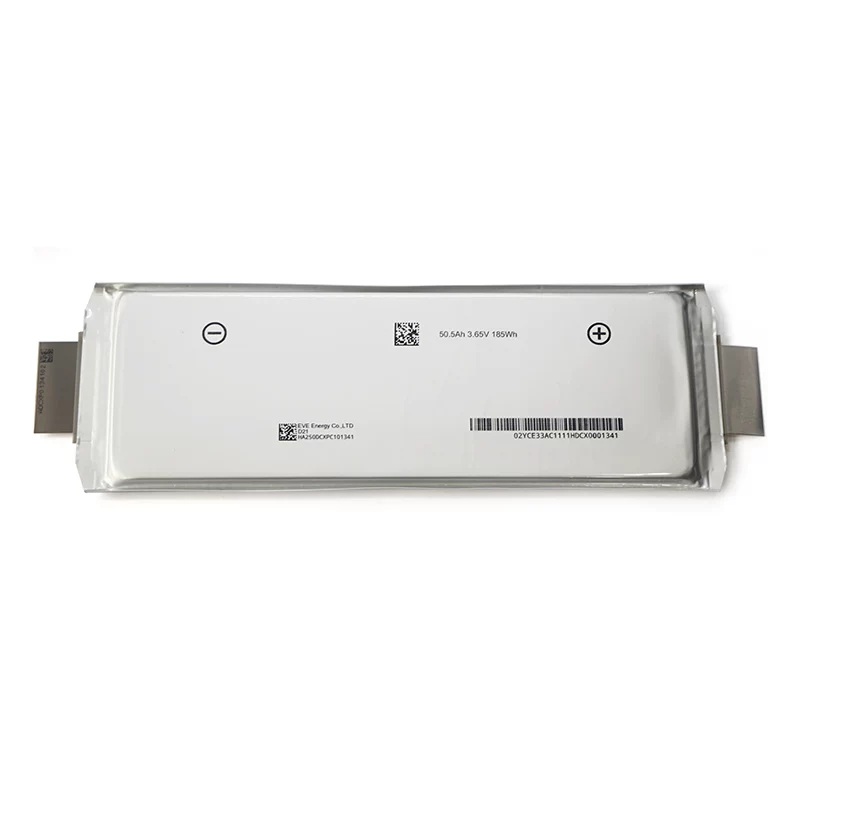
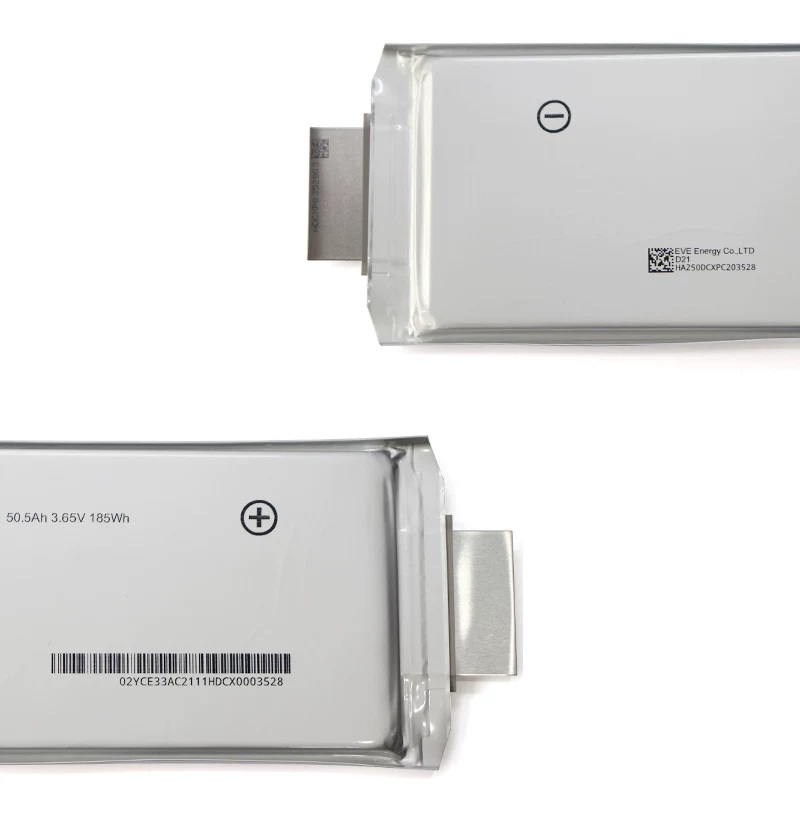
The “pouch cell” is generally regarded as a “flexible” cell – not only, but primarily because of the aluminium and plastic composite foil housing.
Among the various configurations available for lithium-ion cells, the pouch type has been grabbing attention because of its high energy density, design flexibility, low cost and lightweight. Such a pouch pack enables further reduction in the size and weight of portable electronic devices where they power and for the same reason the pouch cells are not only suitable for terrestrial applications but also attractive for space applications too. Lithium-ion pouch cells have been successfully used in many applications including space. However, this design has certain limitations. The poor rigidity of the pouch case makes them more susceptible to external mechanical damage and swelling under elevated temperature and overcharging. Therefore, the manufacturers are constantly striving to improve the performance of pouch cells. This chapter provides a brief overview about the different aspects of lithium ion pouch cells and the various strategies introduced in upgrading the performance of this thin design.
The housing foils are insulatingly coated with polymers on the inside as well as on the outside. The advantages of the pouch cell are numerous and of course have to be weighted according to the application. We would like to highlight the following strengths of the pouch cell which offer advantages over other enclosures and designs in almost every application:
Scalable cell shape and size
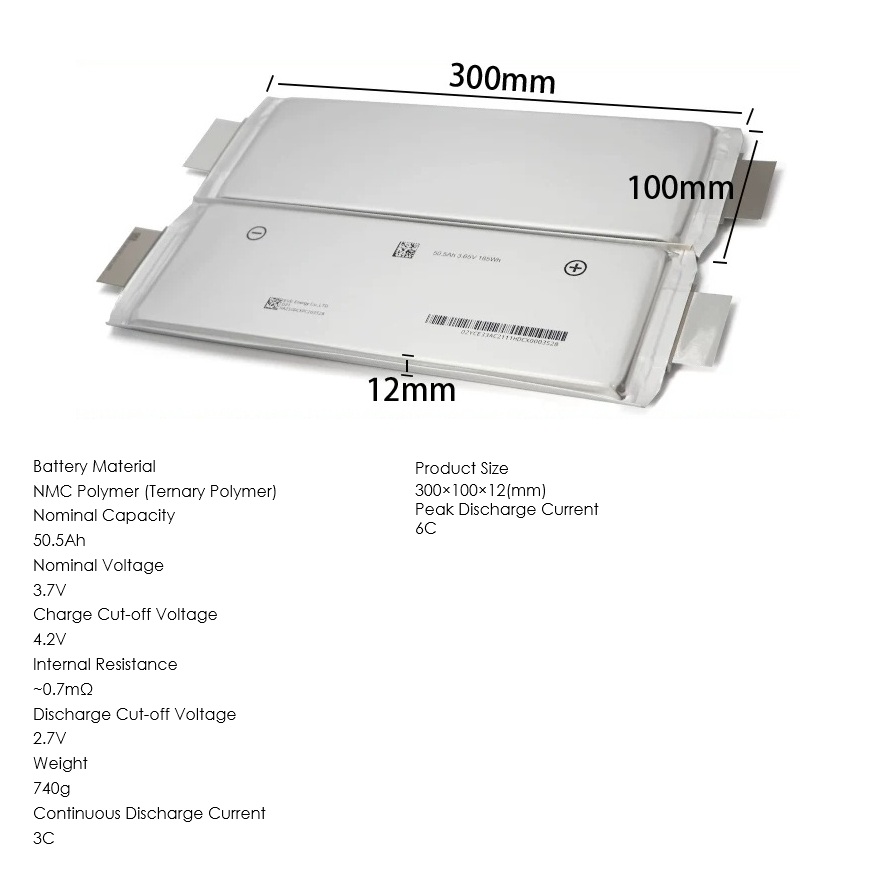
The geometry of the cell can be chosen almost freely and the size or dimensions are freely scalable.
Good heat dissipation and cooling options
Lithium-ion cells are generally sensitive to less than optimal temperature conditions – the pouch cell, however, has its own good heat dissipation and offers optimal conditions for passive or active cooling systems in terms of surface and design.
High energy density / power density
Due to the stacking method and the corresponding active materials, pouch cells achieve a high gravimetric as well as volumetric energy density. The capacity or energy content increases while the voltage remains constant. By adjusting the cathode and anode active material, the charge and discharge rates can be decisively influenced and adapted to the power requirement.
Stacking options
The pouch cells can be “stacked”; please note that no additional pressure is exerted on the cell surfaces.
Flexible manufacturing costs
Due to the combinable form factors for different requirements and designs of the cell, a variety of different pouch cells (depending on the production line and mould`s) can be manufactured within the same production line.
Pack assembling / Busbars
The busbar connects individual cells to each other. Depending on the design of the finished battery, cells connected in series and bricks, different types of busbars are used.
Reviews
There are no reviews yet.