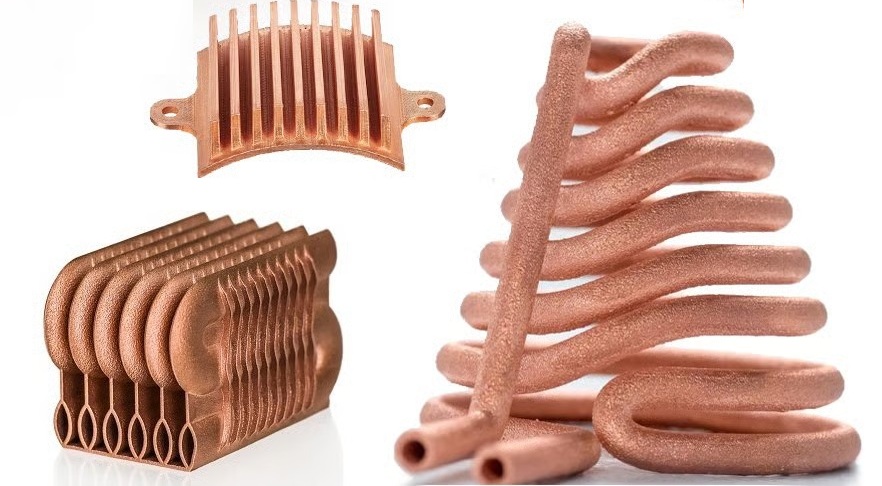
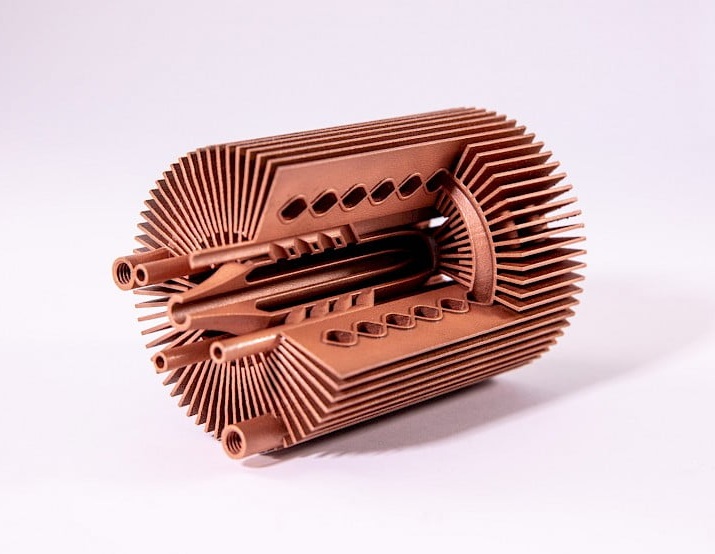
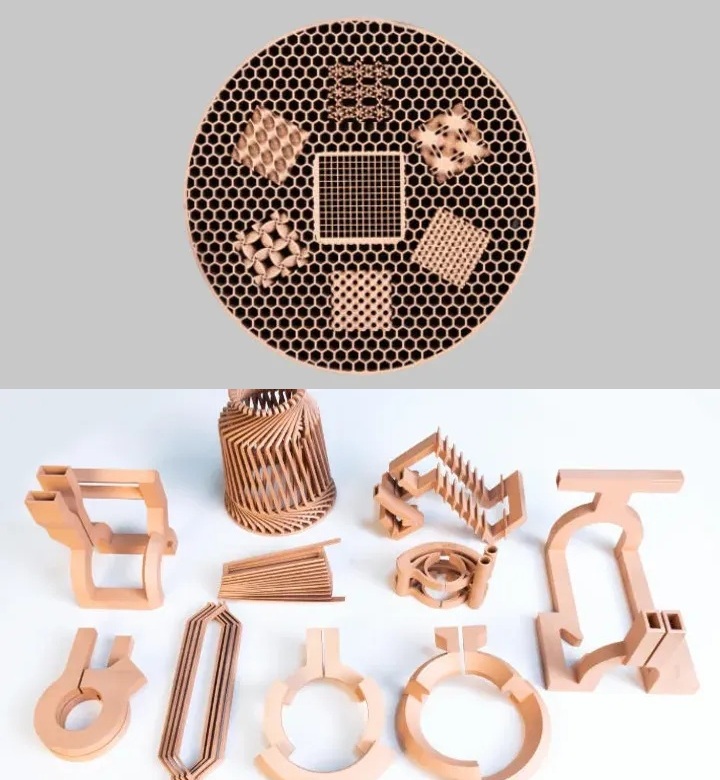
Description
Two metal 3D printing powder bed technologies, laser powder bed fusion (LPBF) and EBM (electron beam melting), work by spreading a thin layer of copper powder on top of a platform inside the printer. The powder is heated while lasers or electron beams trace the first layer of the part. As the particles in the layer are fused, the platform lowers slightly into the build chamber with fresh powder deposited on top, and the process repeats. Some of the copper powder left over from the process can be recycled for use in the next print.
Copper is one of the fastest-growing areas of metal 3D printing, sought after for everything from electric motors to heatsinks. Yet, until recently, it’s been a challenge to 3D print copper because of the metal’s reflectivity and high heat conductivity. Pure copper conducts heat and electricity far better than traditional metals. It possesses better conductivity characteristics than alloyed copper that can be printed on DMLS machines. Unlike conventional fabrication processes which are extremely labor intensive and expensive, the copper is extremely simple to 3D print.
But in 2025, the landscape of copper 3D printing looks markedly different. Recent developments in laser technology, material science, and machine architecture have significantly expanded copper’s industrial potential, pushing it beyond research labs and into scalable production environments.
Copper is an ideal material for many industries, including electronics and tooling.
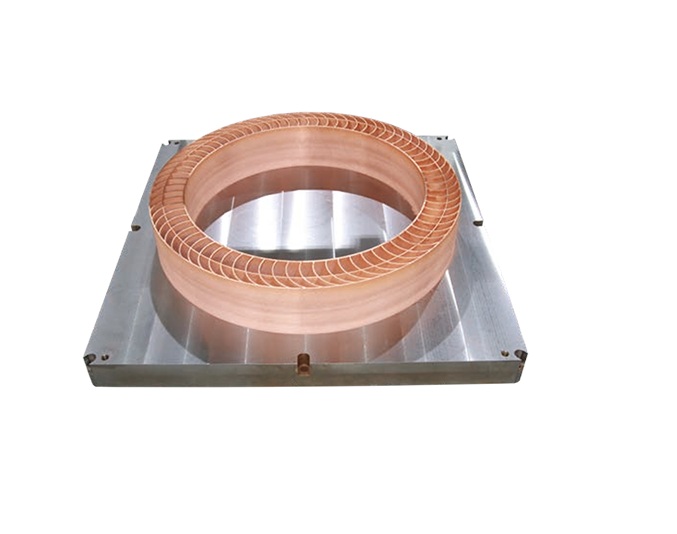
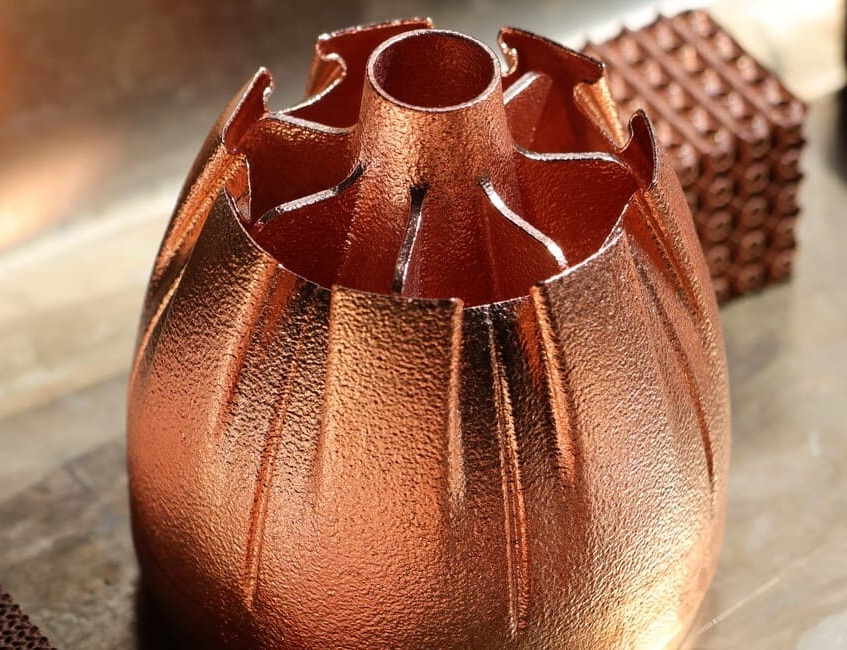
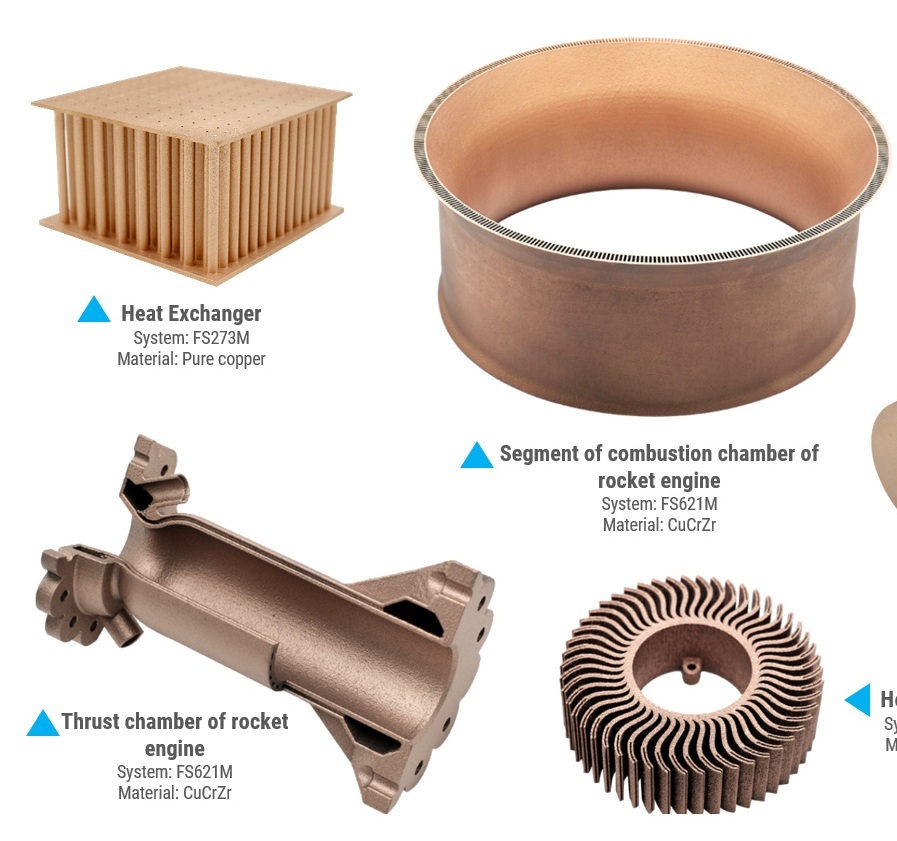
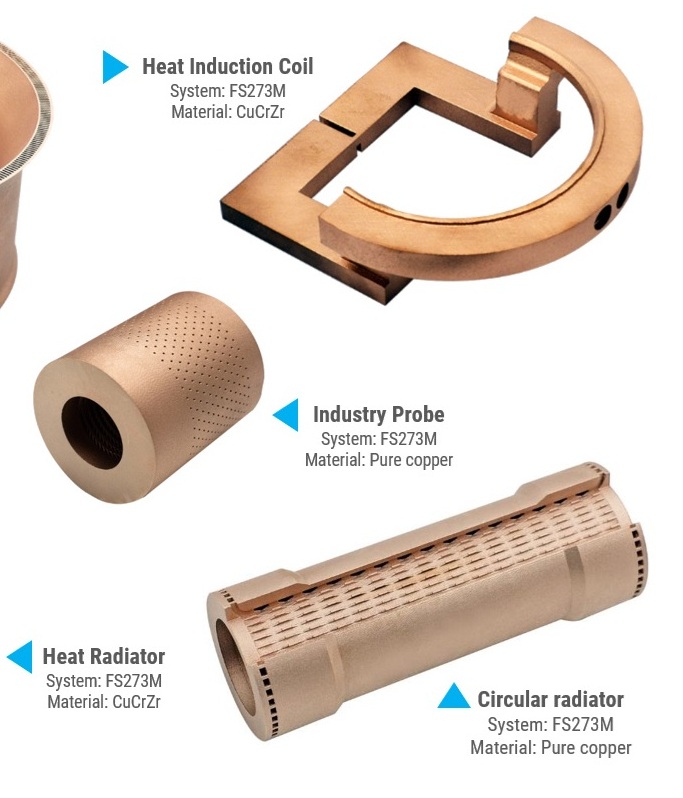
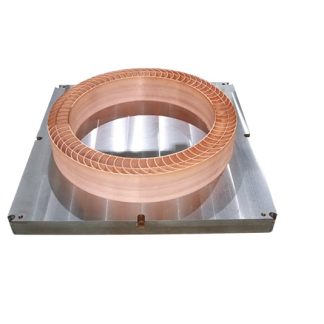
Our 3D printing copper powder include Cu, CuCrZr and CuSn. These 3D printing copper powders have been tested for use on Eplus3D’s metal 3D printers. We also offers a wide range of validated processes for each of the above materials to ensure that the performance of the 3D printed parts is fully met. Today, 3D printed copper propulsion systems send rockets into space, 3D printed copper heatsinks keep CPUs cool, and 3D printed copper coils boost electric motor performance.
3D printing (also known as additive manufacturing) enables the production of exceptionally complex shapes, fine detail, internal structures, and lattice infills not possible with any other type of metal manufacturing. These features reduce weight, increase efficiency, and reduce manufacturing and assembly time. 3D printing requires less raw material — and wastes less — than other manufacturing methods, plus multi-part assemblies can be 3D printed as a single unit, which also reduces the amount of raw material while boosting efficiency. For companies interested in 3D copper printing, reducing raw material costs is critical.
If you already manufacture custom copper parts, you may be able to dramatically lower production costs while optimizing part performance with 3D printing. There’s also the major benefit of producing prototype copper parts for testing without the time and expense of mold making and tooling required for other metal manufacturing methods. Cold spray is an additive manufacturing technology that injects metal powder into a supersonic stream of pressurized gas. Rather than melting the metal, cold spray bonds the metal in a process called plastic deformation. Raw copper or copper alloy material will be a large part of your 3D printing cost, so it’s good to know what your options are. In some cases, your 3D printer is only approved for processing proprietary metal powder that you’ll get from your printer supplier. This may not mean that other powders won’t work, but that they haven’t been tested to be successful on the machine you’re using and you’d be taking an expensive and potentially time-consuming risk experimenting to get the print setting just right.

Reviews
There are no reviews yet.