Description
Solar panels generate direct current (DC). The electricity in your home, and at the socket, is alternating current (AC) at a set voltage and frequency. A microinverter sits at the panel and converts that panel’s DC into AC that is synchronised with the mains. In a plug-in system the microinverter is usually built into, or attached directly to, the panel, which is what allows a single lead to carry usable AC to your home.
Microinverters are small inverter devices installed on each individual solar panel that convert DC (direct current) electricity into AC (alternating current) electricity right at the panel level. Unlike traditional string inverters that handle the conversion for an entire array, microinverters enable independent operation of each panel.
A microinverter is the small electronic device that turns the electricity a solar panel produces into a form your home can actually use. It is the component that makes plug-in solar possible, so it is worth understanding what it does and where it fits in the UK picture. Before going further, one essential point: Plug-in solar has been legal to use in Great Britain since 27 August 2026, when SI 2026/848 came into force alongside Ofgem-approved changes to the G98 connection code — provided the kit is listed as compliant on the ENA Type Test Register. Northern Ireland is not covered. We cover the detail on the UK legal status page.
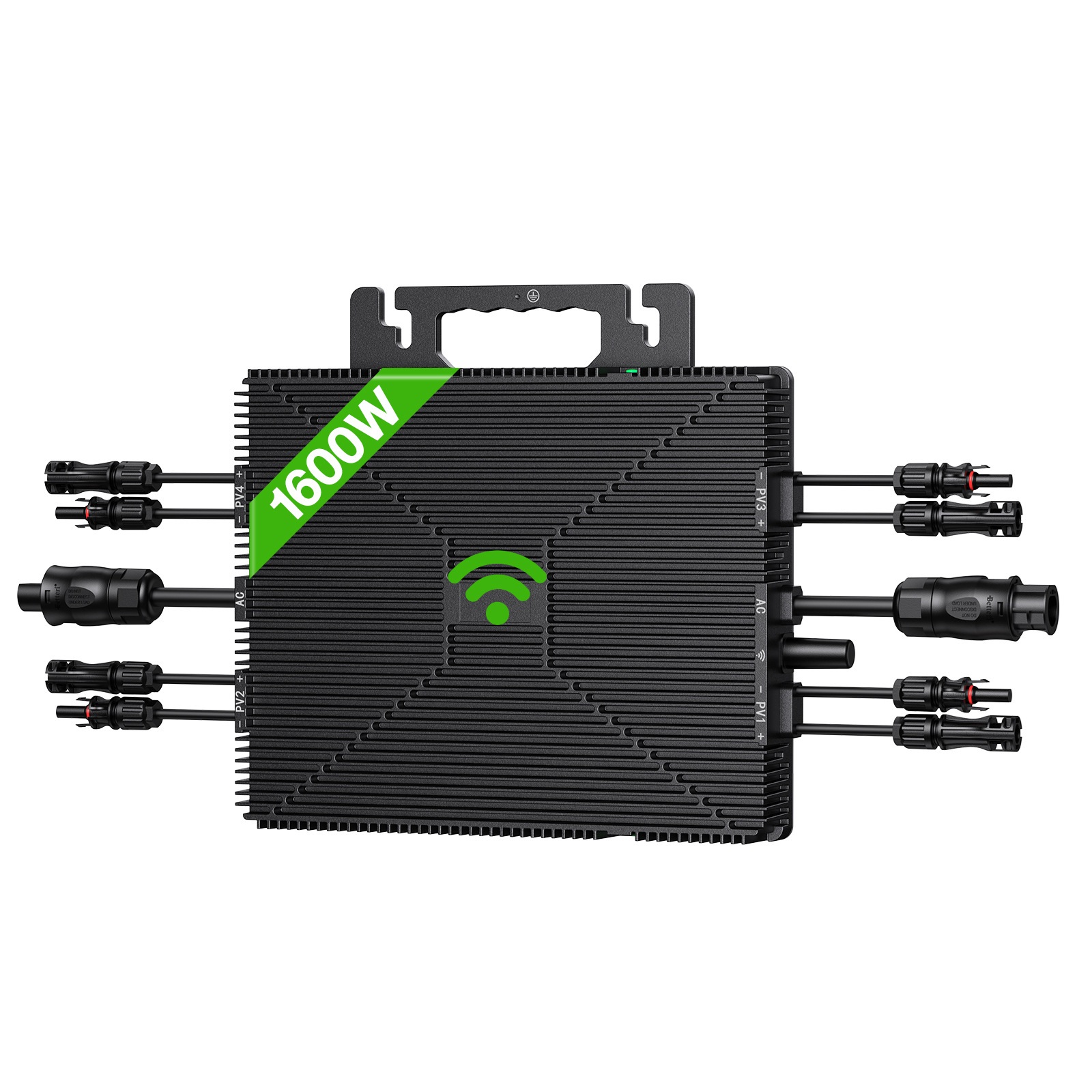
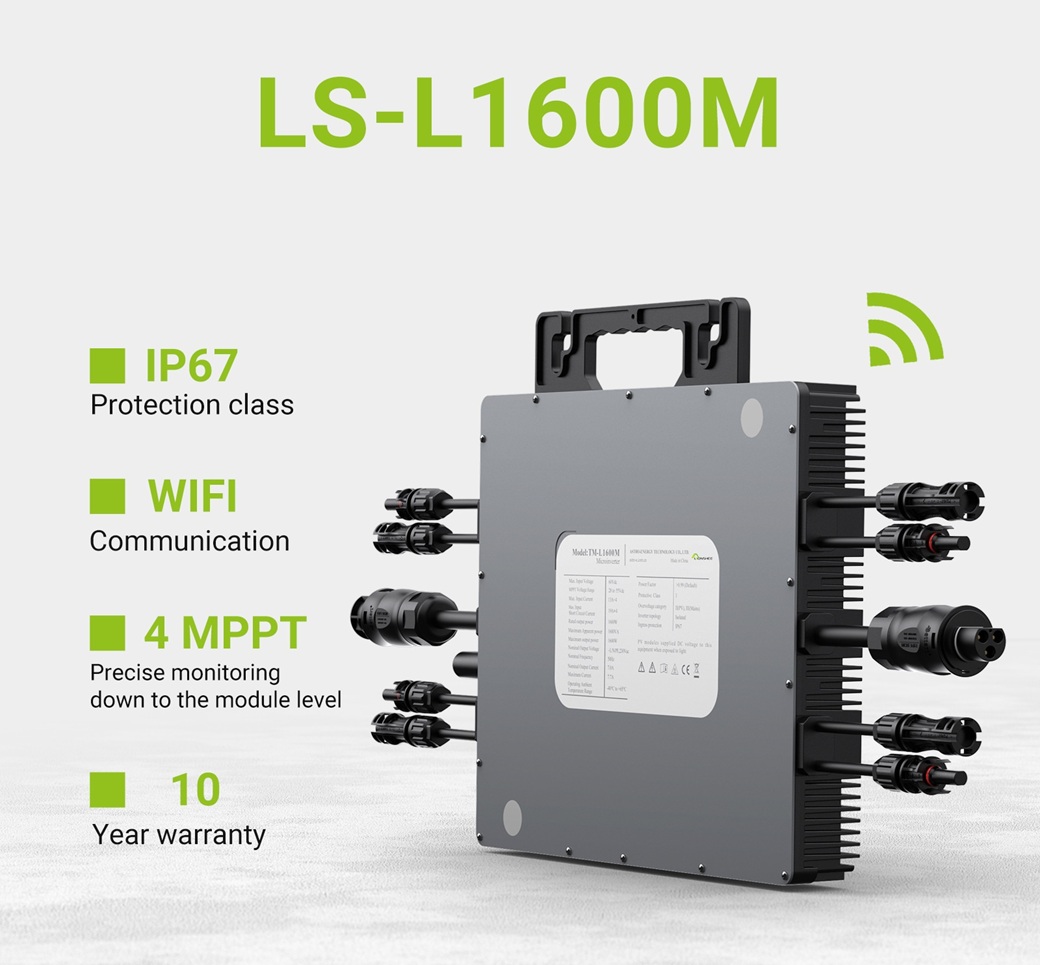
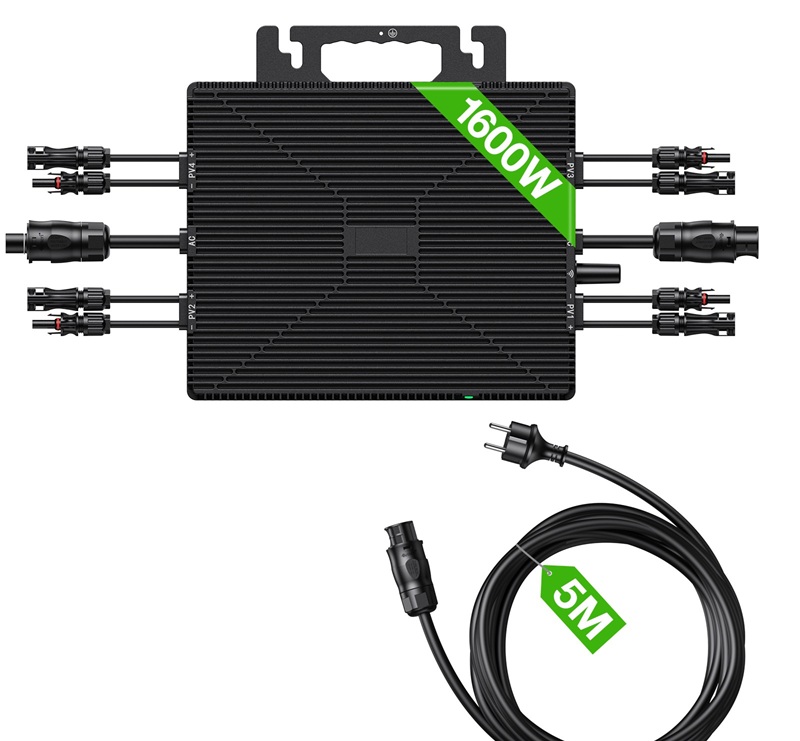
1600W solar inverter is a grid tie inverter with super power capture algorithm, also a specialized electronic device used in solar power systems. The micro on-grid inverter has high-precision phase detection and maximum point tracking (MPTT), 99.5% MPTT efficiency, converts 24V/ 48V (22-50V DC) wide input voltage to 120V/ 230V AC output, has stable performance, and installs simply. Smart micro inverter can be used to power household appliances and other electrical devices.
MPPT enhances energy harvest, leading to higher overall system efficiency and increased electricity production. It also improves system reliability by reducing stress on components. Additionally, MPPT allows for more flexible system design, as each panel operates independently, making it easier to expand or modify installations without impacting overall performance of 1600W micro grid tie inverter.
The DC to AC Conversion Process
Solar panels generate DC electricity when photons strike their photovoltaic cells. However, homes and businesses run on AC electricity–the standard delivered by the utility grid. The inverter’s primary function is converting DC power from solar panels into usable AC power.
Microinverters perform this conversion at the panel level through sophisticated power electronics. Each unit contains:
- DC input circuitry that accepts power from the connected solar panel
- Maximum Power Point Tracking (MPPT) technology that continuously optimizes power extraction
- DC-AC conversion electronics using high-frequency switching
- Grid synchronization components that match utility frequency and voltage
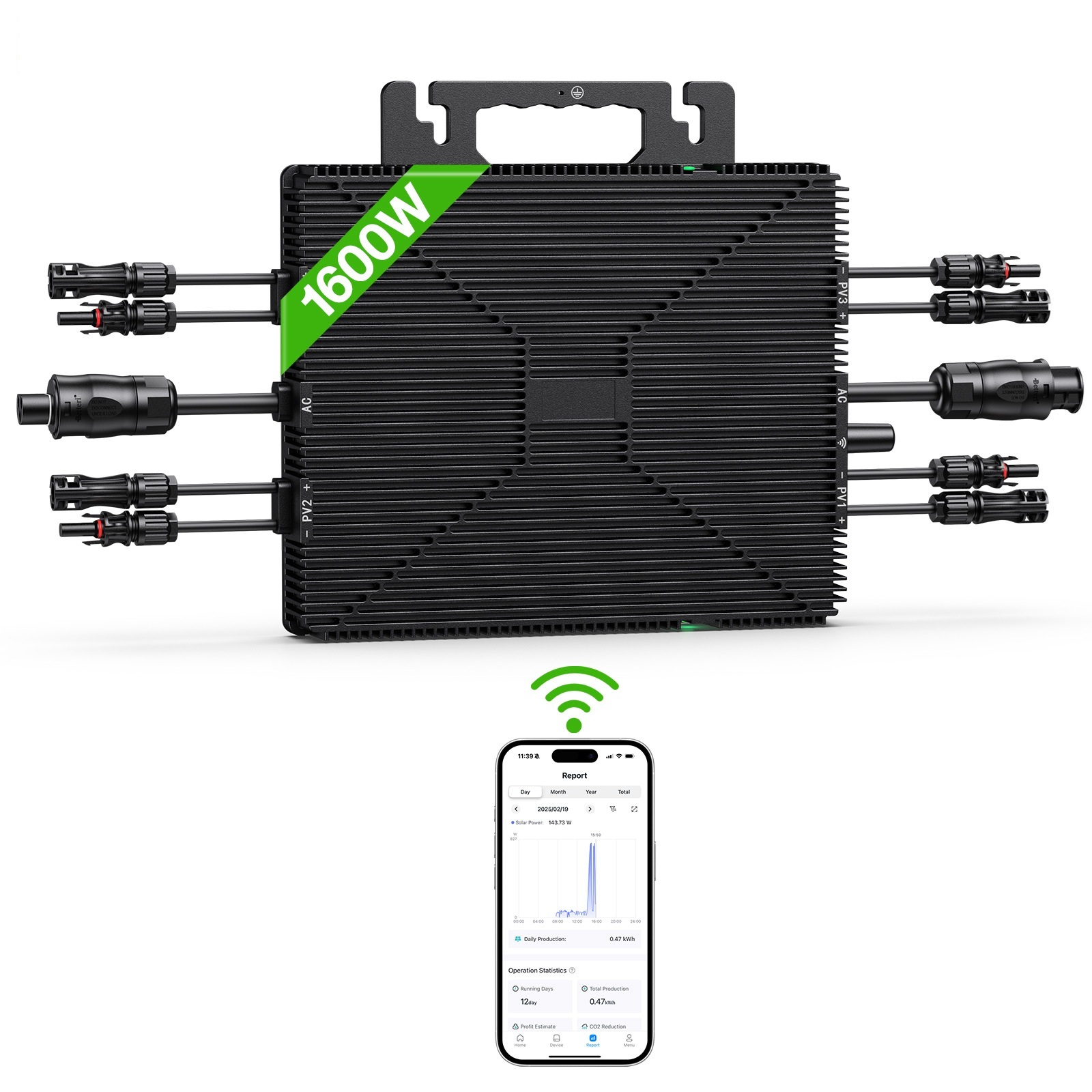
- Communication interfaces for monitoring and data transmission
The conversion process occurs thousands of times per second, with the microinverter constantly adjusting to extract maximum available power from its panel while ensuring clean AC output that meets utility requirements.
Features
- Input/output is fully isolated to protect the electrical safety
- Flexible installation, operation and maintenance costs are low
- Use the wifi communication mode
- High-performance maximum power point tracking (MPPT), reverse power transmission, increasing system efficiency
- Multiple parallel stacking, digital control system, intelligent monitoring management, and simplify maintenance (user serviceable)
Why plug-in solar relies on a microinverter
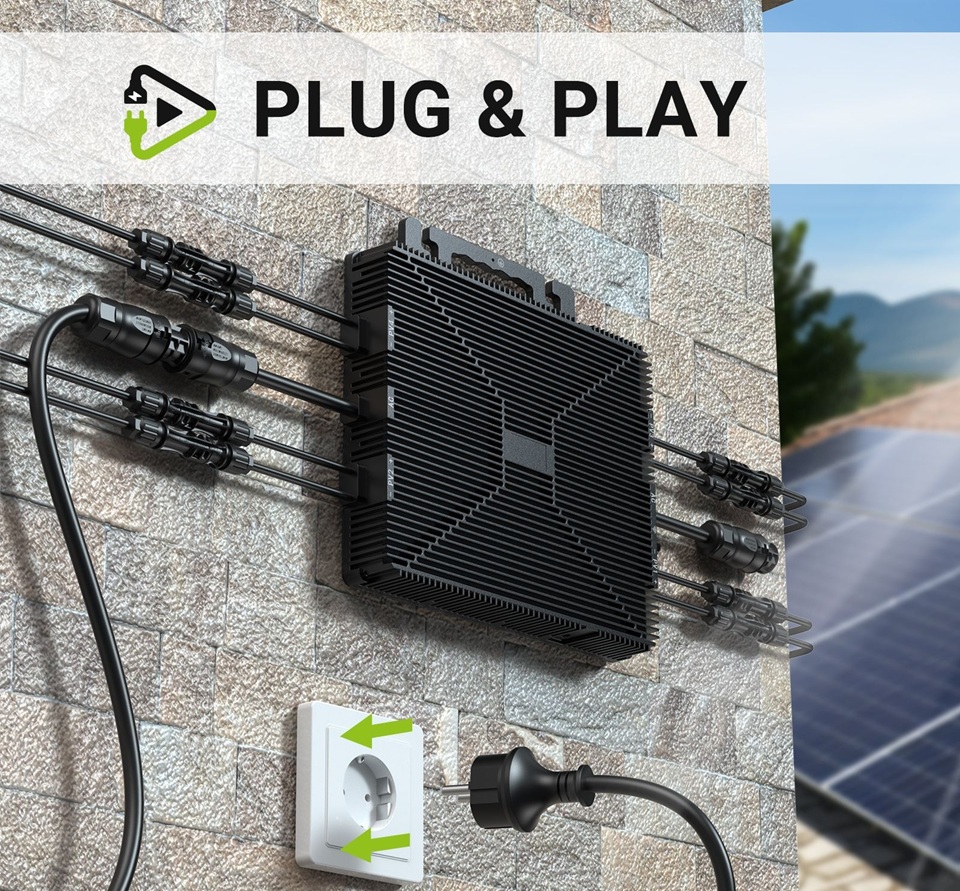
A household socket carries AC, but a panel on its own produces DC. The microinverter bridges that gap. Because it converts at the panel and outputs mains-compatible AC, a small plug-in kit can be designed around a simple connection rather than the fixed DC wiring and central inverter of a larger rooftop array. The trade-off is that each panel has its own conversion stage rather than sharing one.
Safety and standards context
Connecting any electrical equipment to your home brings it within UK electrical rules. Wiring and installations must comply with current requirements such as the IET’s BS 7671 Wiring Regulations and the manufacturer’s instructions. Separately, when generation is connected to the public network it is normally notified to your distribution network operator under the relevant engineering recommendation — the G98 and G99 framework published by the Energy Networks Association — and for plug-in systems the interim product specification makes notifying your distribution network operator of connection and disconnection mandatory, and the device must be type tested to G98 and listed as compliant on the ENA Type Test Register.

Reviews
There are no reviews yet.